
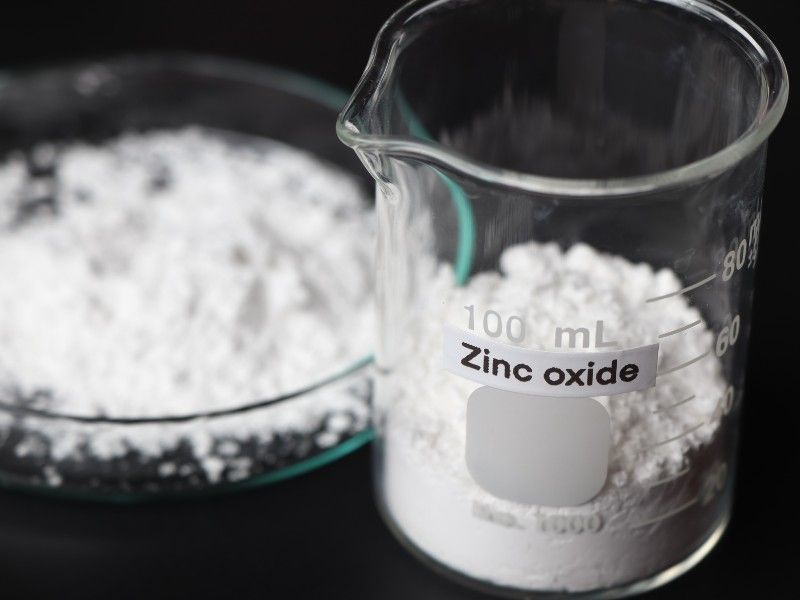
In recent months, the ZnO price has experienced notable changes, driven by fluctuations in global demand, raw material availability, and evolving regulatory standards. Zinc oxide (ZnO), widely used across industries such as rubber, ceramics, cosmetics, and pharmaceuticals, remains a crucial component in various manufacturing chains. For producers and distributors, staying informed about ZnO movements is vital for budgeting, procurement, and long-term planning.
The increase in global industrial activity, especially post pandemic, has contributed to renewed demand for ZnO in emerging markets. Meanwhile, supply constraints due to tighter mining regulations and environmental policies in key producing countries have pushed the ZnO upward. Moreover, energy costs associated with zinc refining and calcination processes have also affected final market prices.
Market Dynamics Influencing ZnO Price
Several interrelated factors continue to shape the current pricing structure of zinc oxide. First, the cost of primary zinc, the raw material for ZnO production, has remained high due to limited smelting capacity and geopolitical disruptions. As a result, manufacturers face increasing pressure to adjust contract rates and inventory strategies.
Secondly, growing environmental concerns have led to stricter pollution control measures, especially in Asia, where a significant portion of ZnO production is concentrated. These regulations have compelled suppliers to invest in cleaner technologies, thereby raising operational costs—another contributor to rising ZnO price levels.
Furthermore, market competition is intensifying as new suppliers attempt to enter the market. However, not all can maintain consistent product quality, forcing buyers to remain cautious in their sourcing decisions. For industries such as tire manufacturing, which rely heavily on ZnO for vulcanization, even minor fluctuations in purity or particle size can impact performance and durability.
Strategies for Cost Management
To mitigate the effects of price volatility, many manufacturers are entering long term agreements with established ZnO suppliers. These contracts offer price stability and guaranteed supply volumes, especially during high-demand periods. Additionally, investment in research and development has led to more efficient production processes that reduce waste and lower dependency on premium grade ZnO.
Some producers are also exploring synthetic alternatives or blend-based formulations to Conclusion: Monitoring the ZnO Going Forward decreases their reliance on pure zinc oxide. While these substitutes may not completely replace ZnO, they offer cost effective options for less critical applications.
Conclusion, Monitoring the ZnO Going Forward
As industrial demand continues to evolve and supply chains remain under pressure, tracking the ZnO price becomes increasingly essential for decision makers. A clear understanding of the pricing landscape helps manufacturers and suppliers manage risks, secure consistent quality, and maintain competitive advantage. With global markets showing signs of recovery and regulatory environments shifting rapidly, staying updated on the ZnO price is no longer optional. It’s a strategic necessity.